
Storm & hail damage repair for Toronto homes
Comprehensive inspections and repairs across Toronto — email us for expert assessment and a written scope.
Email Us for a Free Estimate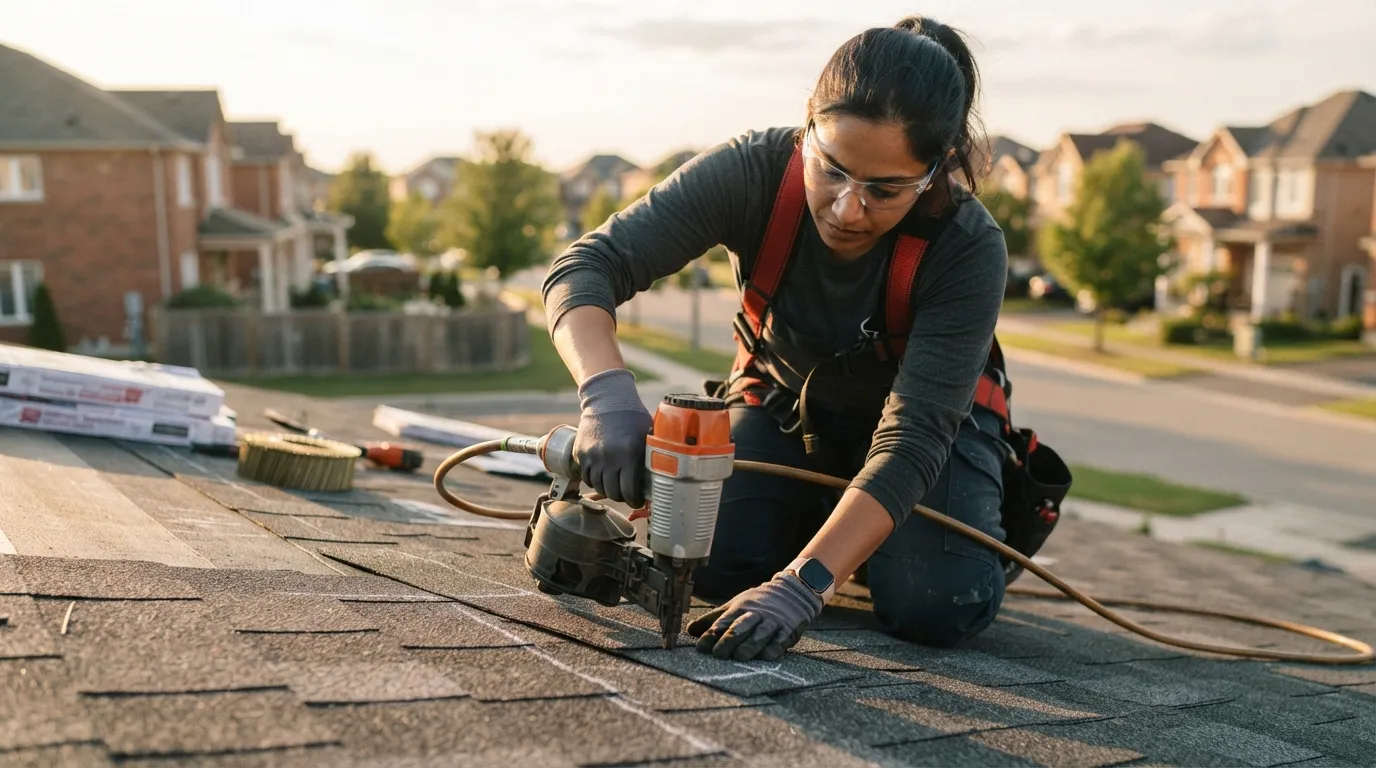
Storm & hail damage repair in Toronto
Storm & hail damage repair in Toronto requires a careful, methodical approach because bruising and wind lift can be subtle at ground level yet fatal to a roof’s long-term performance. Best Roofers Toronto inspects roofing systems, documents findings for insurance, and repairs or replaces affected components with an emphasis on lasting finish and detail. Toronto’s climate and older housing stock make quick, accurate assessment essential to avoid secondary damage to sheathing, flashing and eavestroughs. We prioritise written scope and photographic evidence so homeowners can make informed decisions.
What this service covers
We address wind-lifted shingles, granule loss, fractured shingle tabs, and hail bruising to asphalt shingles, metal panels, and roof flashings. The work includes inspection of roof underlayment, ice & water shield in valleys, roof vents, chimney flashings, and eavestrough attachment points to ensure the entire drainage plane is intact. When necessary we replace shingles, metal flashing, drip edge, and damaged sections of sheathing and provide new underlayment and ventilation adjustments.
Signs you need immediate attention
If shingles are curled, missing, or have shiny dents and granule-free patches after a storm, the roof is compromised and should be evaluated promptly. Hail bruising often shows as tiny dimples or fractured granules that are not obvious from the ground; an inspector on the roof will check shingles, gutters, and downspouts for impact evidence. Acting within the insurer’s claim timeframe prevents denial and limits water intrusion that can rot sheathing and lead to interior damage.
Why early action saves money
Small hail bruises or loosened shingles can let moisture reach the underlayment, where hidden deterioration accelerates costly repairs to sheathing and attic insulation. Repairing a localised area or replacing compromised shingles is often far less expensive than full-deck replacement required after prolonged exposure. Prompt documentation also streamlines insurance settlements and reduces the risk of disputes over pre-existing wear versus storm damage.
Why local conditions matter
Toronto’s mix of older brick houses in Annex and newer homes in Scarborough presents varied roofing systems and materials that respond differently to wind and hail. Freeze-thaw cycles, frequent spring thunderstorms and occasional summer hailstorms create different wear patterns on asphalt shingles versus metal or cedar. Best Roofers Toronto factors local building practices, neighbourhood roof pitches, and typical Toronto snowfall into each inspection and repair recommendation.
Request a no-obligation roof assessment and written scope — email us today
Email Us for a Free EstimateWhy Choose Best Roofers Toronto for Storm & hail damage repair
Our approach balances considered design, precise workmanship, and practical documentation for insurance purposes. We emphasise clear written scopes, conscientious site protection, and durable assemblies suited to Toronto’s mixed housing stock.
Transparent written quotes
Every assessment results in a written quote that itemises labour, materials, and recommended tests so you can compare offers with confidence. The scope explains what we will repair versus replace, and how each line item contributes to the building’s long-term performance.
No hidden fees
Quoted work is presented with clear allowances and change-order procedures so there are no surprises during repairs. If we uncover additional damage once work begins, we provide prompt written options before proceeding.
Cleanup & site protection
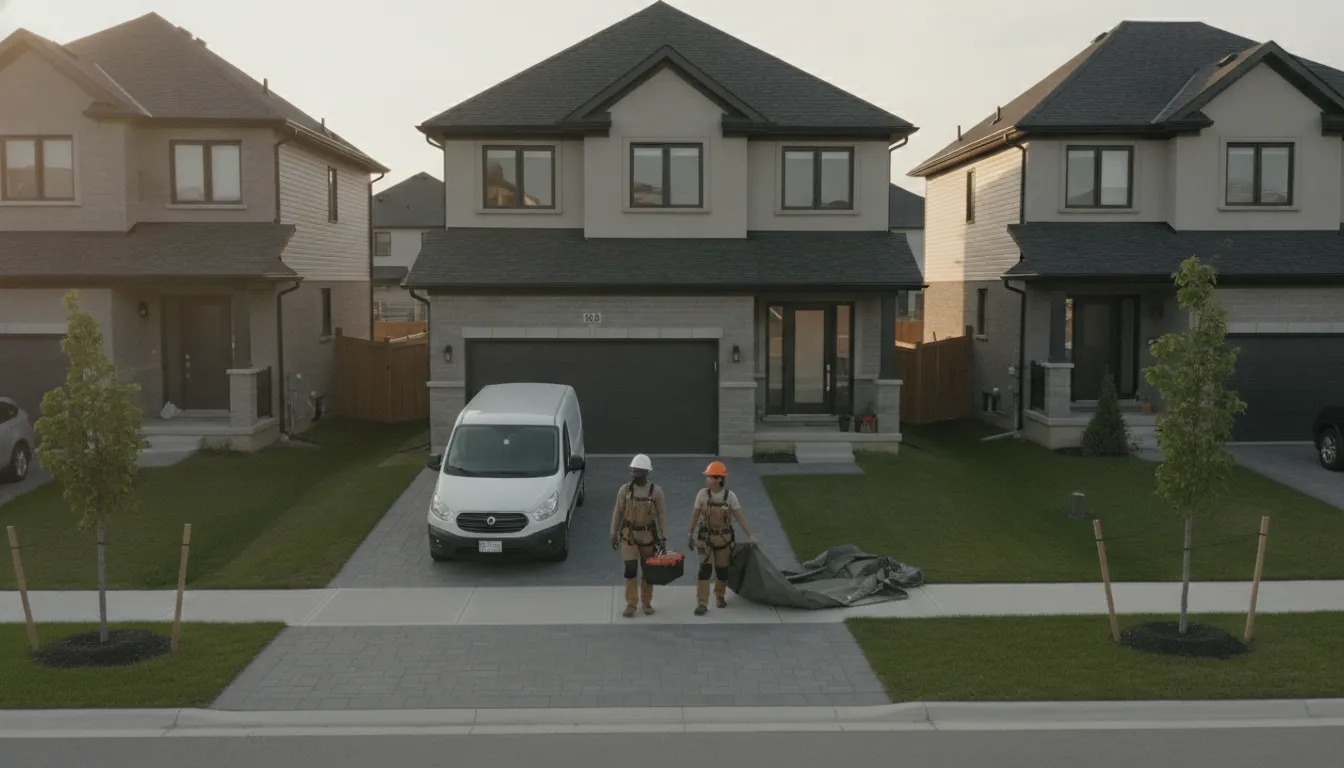
We protect landscaping, driveways and finished surfaces with tarps and magnetic sweepers and leave the site broom-clean at completion. Post-repair checks include gutter flushing and a final photo report to document the restored condition.
Local Toronto crews
Our teams operate across Toronto neighbourhoods and understand local access conditions, multi-family roof detailing, and permit expectations. Working near the lakefront or in older inner-city districts requires techniques that respect the home’s original construction and streetscape.
Workmanship guarantee
Repairs are completed to consistent workmanship standards with clear terms on what is covered and for how long. We explain maintenance needs—such as periodic gutter clearing or shingle inspection after severe storms—so the repair’s performance endures.
Responsive written communication
Because we work by email, every estimate, invoice and photo report is delivered in writing for your records and for insurance claims. This paper trail helps homeowners, adjusters and property managers make informed decisions with the same documentation.
Signs You Need Storm & hail damage repair in Toronto
Storms and hail can affect roofs, gutters, vents and cladding in ways that are visible—and many ways that are not. The items below describe what to look for and what those symptoms typically mean for the assemblies beneath.
Granule accumulation in eavestroughs
Finding a wash of black or coloured granules in your eavestroughs after a storm signals accelerating shingle wear or large-impact hail strikes. This indicates the mineral surface has been compromised and the shingle’s weathering layer is failing, increasing leak risk.
Dented metal on gutters or vents
Dents in metal gutters, downspouts or roof vents usually mean hail energy reached those components and likely struck adjacent shingles as well. Metal dents can alter drainage and permit water to pool or siphon into seams if left unrepaired.
Bruised or shattered asphalt shingles
Bruised shingles show dark spots where the impact crushed the fiberglass mat or asphalt, while shattered tabs indicate loss of protective granules and a weakened shingle. These areas often lose flexibility and can split under thermal cycling, leading to leaks.
Lifted or curled shingles after high winds
Shingles lifted at the edges or with broken sealant strips are vulnerable to further wind entry and can expose underlayment and decking. Wind-lifted edges commonly tear starter rows and can create water entry points along roof valleys and eaves.
Loose or missing flashing
Step flashing around chimneys, skylights or wall intersections that is torn, separated, or severely deformed compromises the roof’s intentional water paths. Replacing flashing and ensuring proper counter-flashing overlaps are essential to prevent concentrated leaks.
Saturated or softened attic insulation
If insulation appears wet or compacted in the attic after a storm, there may be a concealed leak from a compromised roof assembly or flashing failure. Addressing the roof source quickly prevents mould growth and preserves thermal performance.
Interior stains or peeling paint
New water stains on ceilings or peeling paint along soffits can be outward signals that storm damage reached the roof deck or eaves. These symptoms often indicate an active leak or long-term wicking behind cladding that should be traced to its exterior cause.
How much does Storm & hail damage repair cost in Toronto?
How much does Storm & hail damage repair cost in Toronto?
Cost depends on several factors rather than a fixed price: the size of the roof and the extent of affected area, materials chosen (architectural vs 3-tab asphalt shingles, metal flashing, or synthetic underlayment), access and complexity (steep pitches, multi-level roofs, or close property lines), and any concealed damage found once work begins such as wet sheathing or compromised ventilation. Timing and scheduling pressures—emergency tarping or expedited material delivery after a storm—also influence price. We always provide a written quote after a documented inspection so you have a clear basis for your insurance claim or out-of-pocket decision.
Does your budget match the scope?
Be realistic about whether you need a cosmetic patch or a full roof replacement; cosmetic repairs can be cost-effective for isolated damage, while widespread granule loss or structural issues usually justify replacement. If insurance will cover repairs, compare the deductible and long-term value of a permanent fix versus temporary bandaging.
Is timing and season important?
Scheduling in fall and early spring avoids peak summer heat and winter freeze that complicate adhesive performance and crew safety. For active leaks or open penetrations, immediate tarping and assessment are appropriate even if full replacement must wait for better weather.
Repair versus replace: what’s appropriate?
Choose repair when damage is limited to isolated shingles, flashing, or small roof areas; replace when underlayment failure, multiple layers, or rot compromise the assembly. A professional inspection will measure the affected square footage and recommend the most durable, code-compliant option.
Which materials will match your home?
Consider architectural shingles for longevity and visual depth, or cold-rolled metal flashings for long-lasting roof penetrations; synthetic underlayments and ice-and-water shields add winter protection. Match colour, profile and ventilation strategy to maintain the roof’s aesthetic and performance.
What about disruption and access?
Work on steep or multi-level roofs takes more time and requires scaffolding or protected walkways, increasing cost and logistical complexity. If you have tight laneways, mature trees, or multiple trades on-site, plan for staging and neighbour communication to reduce disruption.
Are permits and code issues likely?
In Toronto, certain repairs or partial replacements may trigger permit requirements, particularly when changing roof slope, re-covering multiple layers, or altering structural elements. Check with your municipality or rely on a contractor familiar with Toronto permit practice to avoid delays.
How much does Storm & hail damage repair cost in Toronto?
Cost depends on factors rather than a flat figure: roof area and pitch, damage extent, materials chosen (architectural shingles, metal flashings, synthetic underlayments), site access and scaffolding needs, and any additional repairs discovered such as wet sheathing. Timing and urgency—emergency tarp versus planned replacement—also affect cost. We perform a documented inspection and deliver a detailed written quote that you can use for insurance claims or budgeting.
How long will repairs take after inspection?
Timelines vary with scope: small repairs or isolated flashing replacement can be completed in a day, while larger patches or full re-roofs typically take several days including tear-off and deck repairs. Weather and permit timelines in Toronto can add waits; we schedule to minimise exposure time and coordinate with your adjuster if needed.
What materials are best for Toronto roofs after hail damage?
High-wind-rated architectural asphalt shingles with reinforced fiberglass mats are a common, cost-effective choice, while metal flashings and ridge caps offer long-lasting resilience at penetration details. For eaves and valleys, we often specify cold-formed metal and self-adhering ice-and-water shields to address freeze–thaw risks.
Will I need permits or inspections from the city?
Permits may be required in Toronto when re-covering multiple layers, altering structural components, or replacing sheathing and decking. We advise clients on when a municipal permit is likely and can include permit coordination in the written scope to avoid surprises during inspection.
What warranty or guarantee do you offer?
We provide a workmanship warranty on completed repairs and explain manufacturer warranties that may accompany specific materials such as shingles or venting systems. Warranty specifics depend on the materials chosen; we include warranty information in the final documentation packet provided by email.
How should I prepare my home before work begins?
Clear driveway space for staging, move vehicles and outdoor furniture away from work areas, and secure pets indoors; we’ll advise on special arrangements for tight laneways in Toronto neighbourhoods. Because we operate by email, we’ll confirm staging details and send arrival instructions so you know what to expect.
Why do quotes differ between contractors?
Differences arise from diagnostic thoroughness, material specifications, fastening patterns, ventilation strategies, and inclusions like debris disposal or permit fees. A lower bid may omit required sheathing repairs or use lower-spec underlayment—our written scopes explain these distinctions to help you compare meaningfully.
Our Storm & hail damage repair Process in Toronto
We follow a clear, documented workflow designed for insurance support and long-term durability across Toronto properties.
- 1
Comprehensive inspection & documentation
We inspect the roof from ground, ladder and, when safe, rooftop vantage points, documenting hail dents, lifted shingles, flashing defects, and interior attic signs with photos and notes. The report notes neighbourhood context—such as proximity to high-rises or lakes—that may affect exposure.
- 2
Written scope and estimate for claims
Based on the inspection we prepare a detailed scope and line-item estimate suitable for insurance submission, including recommended material types and replacement quantities. Photos and annotated diagrams accompany the proposal to make the claim review straightforward.
- 3
Scheduling & permit coordination
We advise on permit needs and schedule work at a time that minimises finish-material stress and household disruption. For multi-unit or constrained-access sites we plan staging, scaffolding and protective measures in advance.
- 4
Repair work with property protection
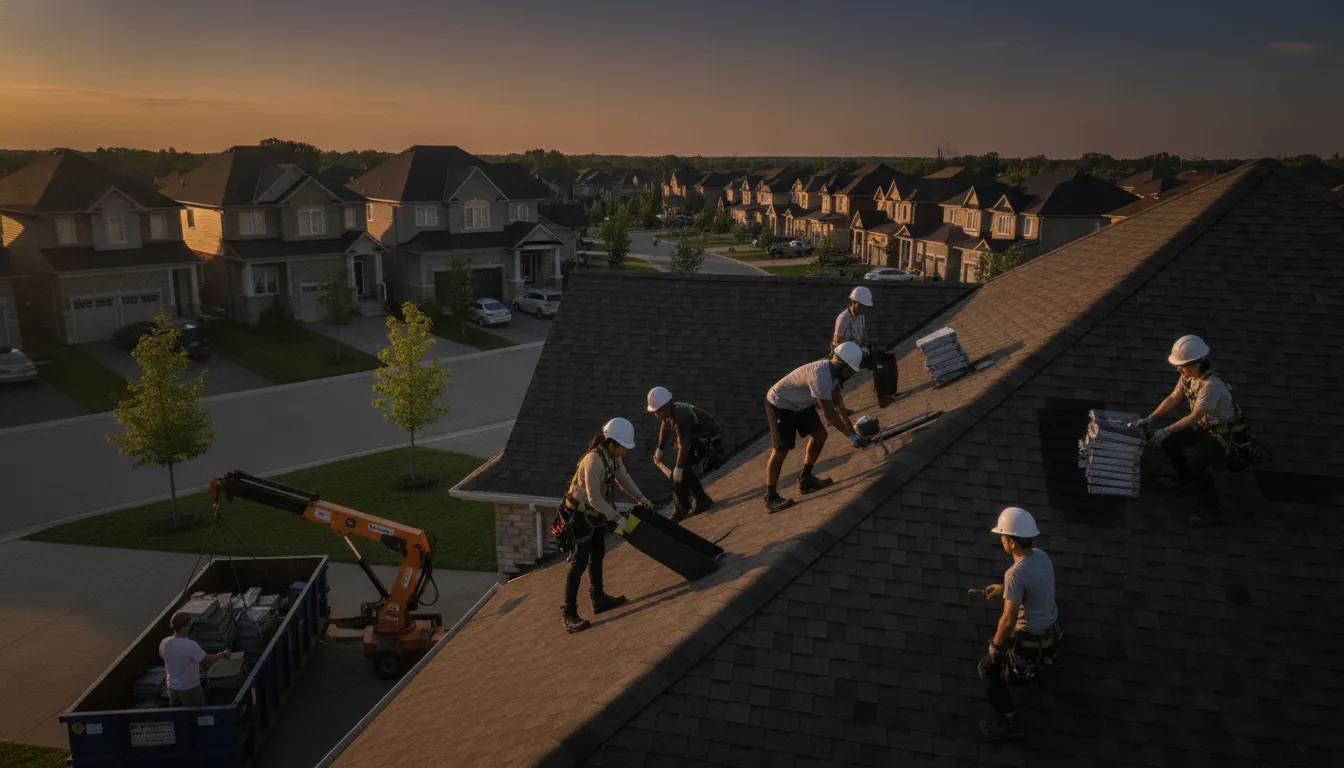
Repairs use industry-standard methods: remove and replace damaged shingles or flashings, install ice-and-water shield at critical edges, reseat or replace ridge vents, and secure all fasteners per manufacturer specifications. We protect landscaping, seal openings temporarily if needed, and use magnetic sweepers and debris containment to safeguard the property during work.
- 5
Final walkthrough & documentation
Upon completion we perform a final inspection with the homeowner or property manager, walk through repaired areas, and deliver a closing packet with photos, material lists, and a workmanship summary for insurance records. We outline recommended maintenance timelines and stay available by email for follow-up questions.
Professional Storm & hail damage repair Built for Toronto Conditions
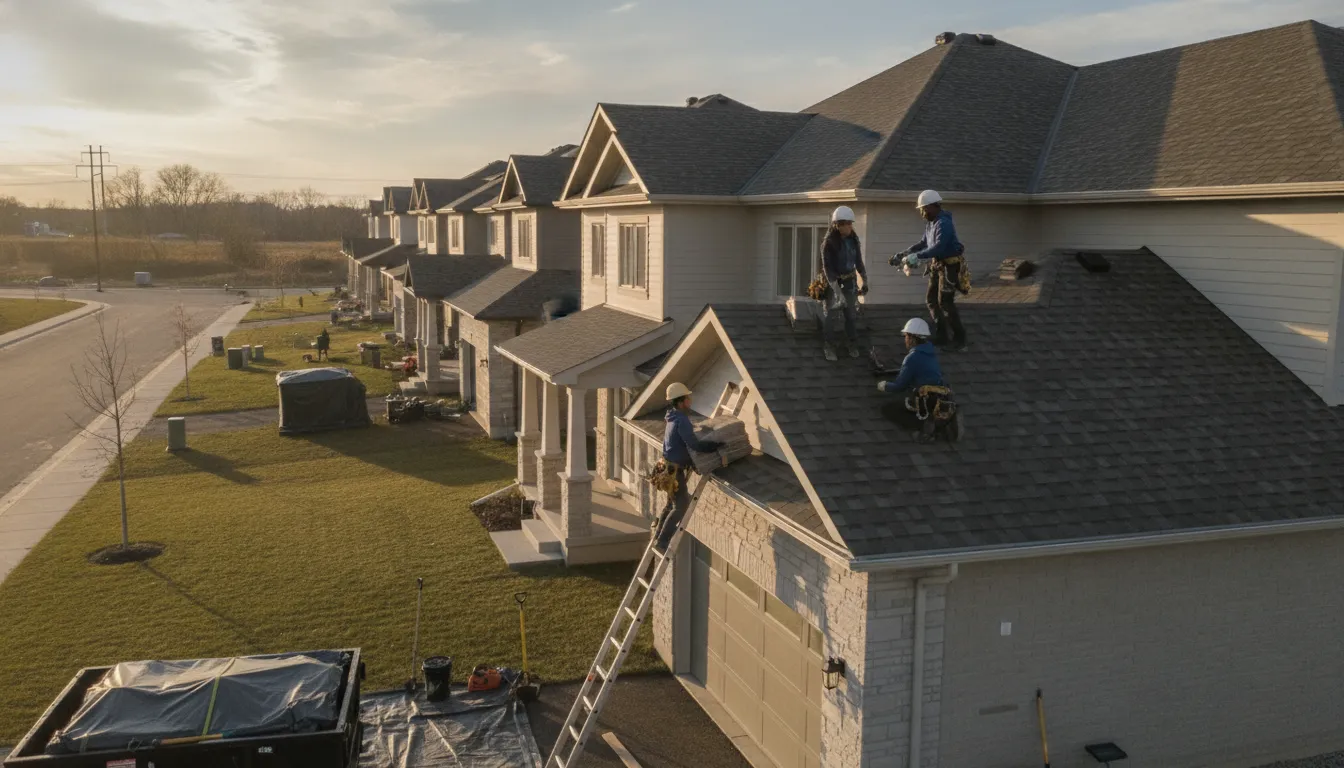
Storms in Toronto range from sudden summer hail events to autumn windstorms and lake-effect squalls; each requires repairs specified for the local climate and common building assemblies. Best Roofers Toronto addresses both residential and small multi-unit roofs with a focus on durable materials, correct ventilation, and finishes that respect the home’s architecture. Whether dealing with asphalt shingles, metal flashings, or flat-roof membrane repairs, our process balances permanence with visual refinement. We document repairs for insurance and help homeowners prioritise interventions that preserve resale value and occupant comfort.
Ontario climate stresses
Toronto’s freeze–thaw cycles, heavy spring rains, and occasional summer hail put alternating compression and thermal stress on shingles and metal. Materials we select—such as polymer-modified underlayments and high-wind rated shingles—are chosen to resist repeated cycles and maintain adhesion through seasonal extremes.
Local housing-stock considerations
Toronto’s homes often have layered roofs, multiple dormers, and varied flashing details that require careful matching during repair to avoid water traps. Older neighbourhoods may have historic roof shapes that demand sensitive replacement strategies to preserve the home’s character while improving performance.
Permits and municipal context
Repairs that change roof covering or reveal structural issues can trigger permit reviews in Toronto; we advise clients on when to expect municipal involvement and prepare documentation accordingly. Using contractors familiar with Toronto inspections reduces delays and aligns repairs with local code expectations.
Workmanship and finish standards
We finish work to a high standard—neat metal terminations, sealed transitions at chimneys and skylights, and colour-matched ridge systems—so repairs blend into the roof plane while restoring performance. Alongside a workmanship summary, we provide maintenance advice so homeowners keep their investment performing well between professional reviews.
Weather is hard on your roof — email us for a same-day inspection.
Summer roofing conditions in Toronto, ON
Summer heat and thunderstorms around Toronto, ON put roofs through intense UV, expansion, and sudden wind and hail. Heat accelerates shingle aging, so summer is prime time for inspections and repairs.
Proudly Serving Toronto, ON
Local, on-time service throughout Toronto and the surrounding area.