
Roof leak repair that protects your home
Expert Roof leak repair in Toronto and neighbourhoods across the city
Email Us for a Free Estimate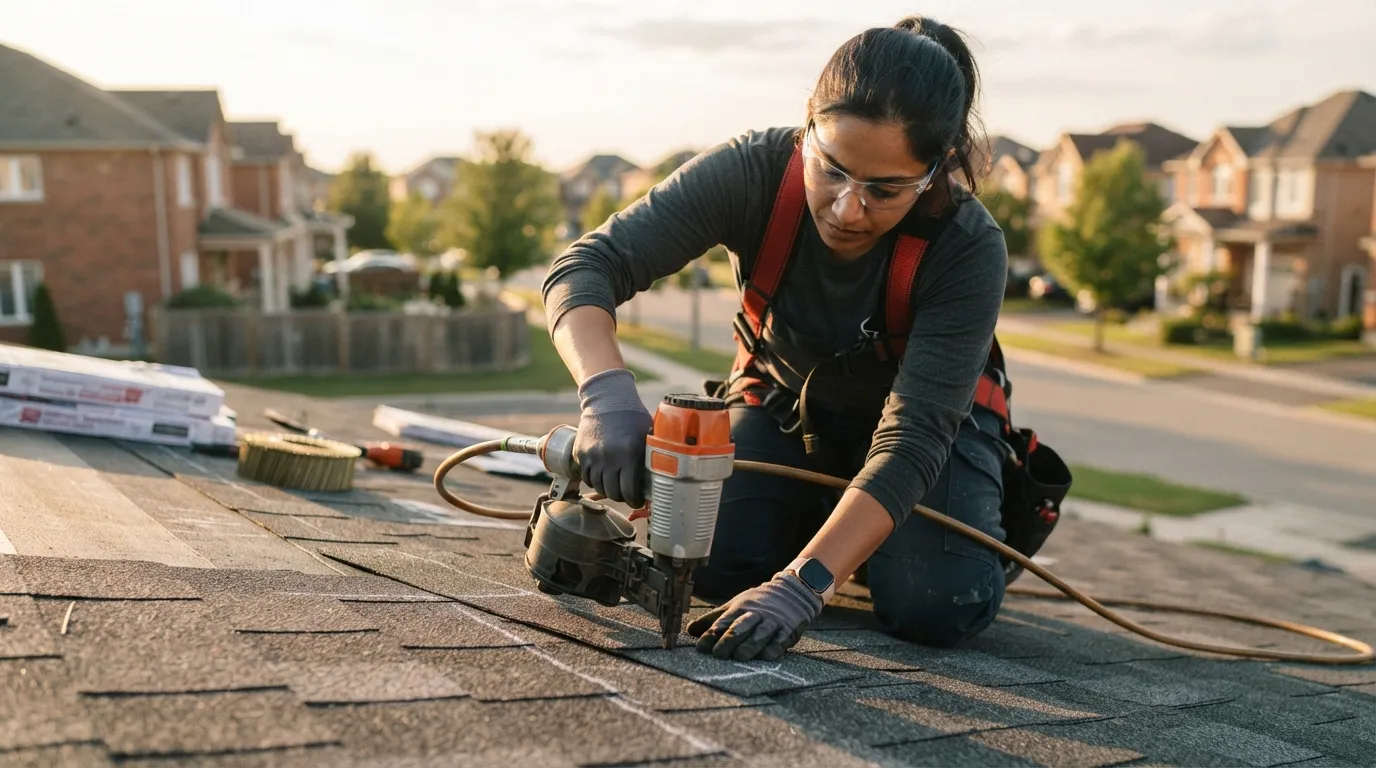
Roof leak repair in Toronto
Roof leaks demand more than a quick patch; they require accurate diagnosis, material-matched repair and attention to the roof’s detailing. In Toronto’s varied housing stock — from century-old semi-detached homes in Cabbagetown to newer suburbs near Mississauga — leak sources can be uphill from the visible stain. Best Roofers Toronto locates, stops and documents active leaks with attic inspection, targeted repair and preventative detailing. We prioritise durable finishes that suit local weather and building practice.
What our Roof leak repair covers
We locate active leaks using attic inspection, moisture probes and roof-access inspection; we inspect flashings, valleys, eavestrough connections, chimney counters and fasteners. Repairs can include replacing step or continuous flashings in metal or lead-look profiles, resealing roof-to-wall intersections with compatible roofing cement and underlayment replacement where the substrate is compromised. When needed, we install temporary tarping to protect interiors until a permanent repair is scheduled.
Signs you need immediate Roof leak repair
Active stains on ceilings, damp insulation, or dripping in attic space mean the leak is current and needs prompt attention to stop deterioration of sheathing and rafters. Active leaks traced uphill to a flashing, valley or failed fastener rarely fix long-term with cosmetic interior patches; the source must be repaired at the roof plane. If you have active moisture in the attic or visible water ingress, arrange for assessment quickly to limit mould, rot and structural damage.
Why acting early saves money
Stopping a leak early limits plywood/OSB sheathing rot, keeps insulation dry and prevents secondary damage to drywall, paint and millwork below. Early repair often avoids full decking replacement or structural sistering of rafters — repairs that escalate the material and labour cost. A timely Roof leak repair in Toronto also reduces the chance of winter freeze-thaw cycles enlarging gaps around flashings and fasteners, turning a small fix into a larger one.
Why local conditions matter for Roof leak repair
Toronto’s climate — warm humid summers and freezing winters with freeze-thaw and occasional ice dam risk — affects material choice and detailing. Eavestrough orientation, roof pitch and common local materials such as asphalt shingles, cedar shakes, metal flashings and torch-down membrane on low slopes all influence repair approach. Best Roofers Toronto prescribes repairs and materials that respond to these stresses and to Toronto’s building practice and codes.
Our Roof leak repair Process in Toronto
We follow a clear, documented process so you understand the scope, cost drivers and schedule before work begins. Communication is by email and every step is captured in a written scope and quote.
- 1
1. Assessment and attic inspection
We begin with an interior inspection of stains and the attic, using moisture probes and binoculars to locate wet areas. On the roof we perform a systematic uphill search from the interior stain, inspecting flashings, valleys, penetrations and fasteners to identify the source.
- 2
2. Written scope and transparent quote
After diagnostics we email a detailed scope that lists materials, access needs, and options for permanent repair versus interim fixes. The quote explains what is included—materials, disposal, scaffolding or ladder systems—and any contingencies if further damage is discovered.
- 3
3. Scheduling and permit checks
We coordinate timing that minimises disruption and checks whether local permits are needed for certain repairs or for work on multi-unit roofs. Scheduling accounts for Toronto weather windows and for neighbourhood access considerations in places like the Annex or High Park.
- 4
4. Repair work with site protection
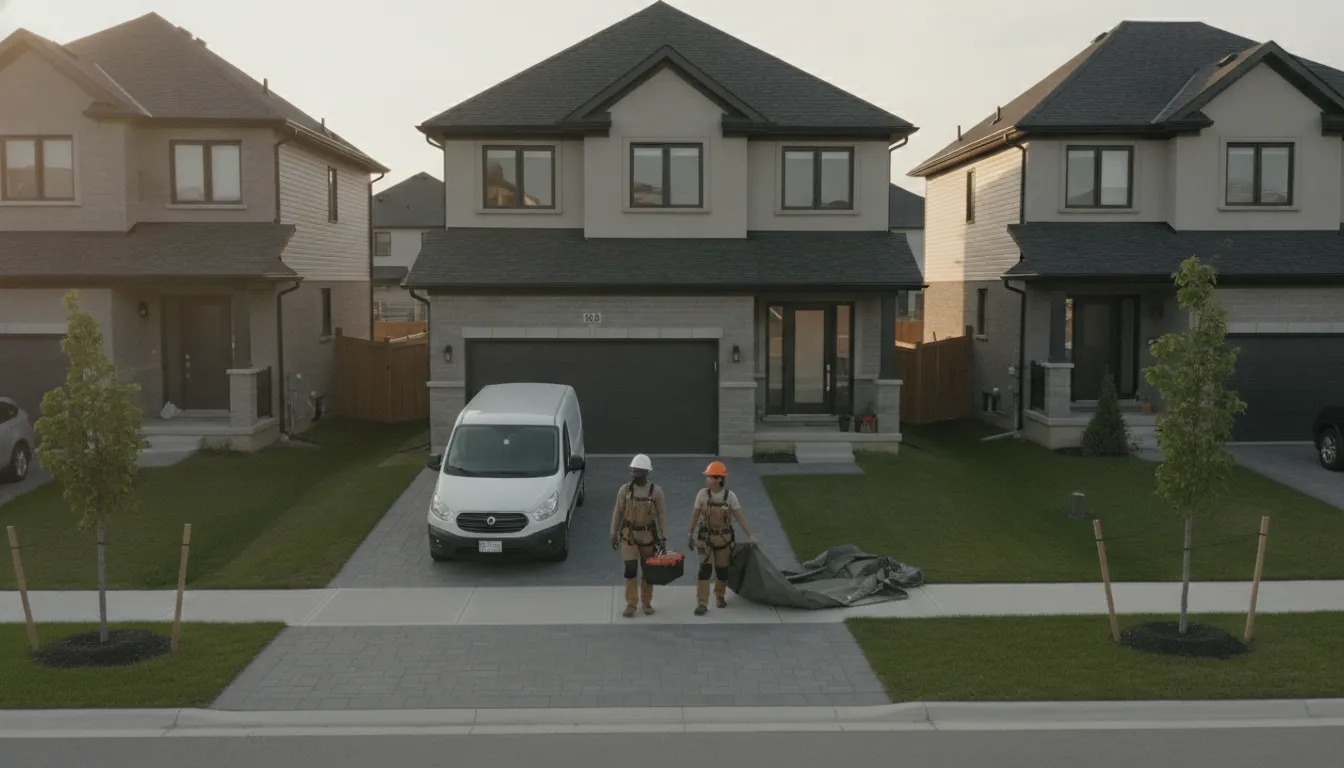
Work proceeds with roof protection and property protection—drop cloths, eavestrough guards and material staging to protect landscaping. We replace or repair roofing underlayment, flashings and shingles or membranes as specified, fasten with corrosion-resistant screws or nailed per manufacturer guidance, and keep the site tidy throughout.
- 5
5. Cleanup, attic drying and final walkthrough
After repairs we clear debris from eavestroughs and the property, ensure attic insulation and ventilation are restored, and perform a final moisture check. We email documentation with before-and-after photos, an itemised invoice and care recommendations for the repaired area.
Roof leak repair in Toronto
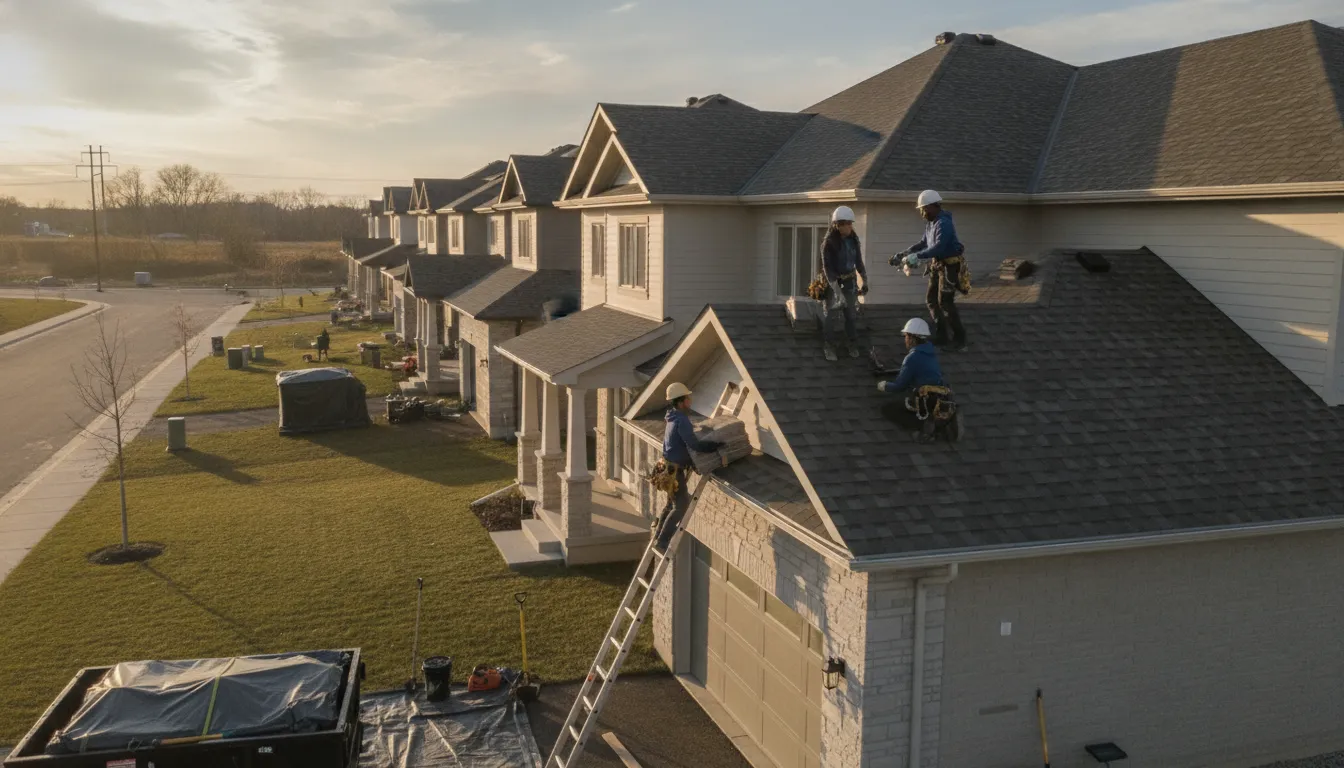
Roof leak repair in Toronto demands a subtle mix of forensic diagnosis, appropriate materials and a respect for the city’s varied housing stock. Whether the leak shows as a water stain in a downtown condo penthouse or as drips in a century-old detached attic in the Annex, locating the true source often means tracing water uphill from interior damage. Best Roofers Toronto approaches each leak with attic inspection, moisture mapping and containment measures so repairs are targeted and durable. We balance immediate measures—such as temporary tarping or interior containment—with long-term fixes using appropriate roofing systems for the building type.
What this service covers
We locate active leaks, inspect attics and roof assemblies, identify failing components like step flashings, valley metal, ridge caps, and fastener corrosion, and provide permanent repairs or targeted replacements. We handle membrane patches on low-slope roofs, shingle replacement and flashing repairs on sloped roofs, and emergency tarping when water is entering the structure. Repairs include resealing or replacing flashing, tightening or replacing fasteners, addressing underlayment failures and repairing ventilation issues that contribute to deterioration.
Signs you need repair now versus what can wait
If you see active dripping, spreading ceiling stains, mould growth, or damp insulation, those are urgent and need immediate assessment and often emergency tarping to prevent structural damage. Small, isolated stains without progression may be monitored briefly, but often indicate an early-stage failure—acting within weeks usually keeps the repair simple. Deferred leaks risk rot in sheathing, decay at rafters, and compromised insulation that quickly drives up repair cost.
Why acting early saves money
Early detection keeps repairs local: replacing one section of flashing or a handful of shingles is far less costly than full re-roofing or sheathing replacement. Stopped leaks prevent secondary damage—mould remediation, drywall replacement, and insulation replacement—which can be the major component of the final bill. In Toronto’s climate, freeze-thaw cycles accelerate damage around marginal repairs, so timely work preserves both performance and finish.
Why Toronto conditions matter
Toronto’s climate—with humid summers and freeze-thaw winters—stresses roofing materials differently than milder regions; ice dams can drive water under shingles, while heavy spring rains expose failing flashings and valley seams. Older houses in neighbourhoods like Cabbagetown or the Beaches often have legacy roofing details—metal flashings, cedar shingles, or multi-layer asphalt—that require tailored repair strategies. We design repairs and choose underlayments, ice-and-water shields, and fastening patterns with Toronto’s weather cycles in mind.
Signs You Need Roof leak repair in Toronto
Roof problems often announce themselves subtly. These are the common signs we see across Toronto homes, and what each symptom typically means underneath the finish.
Ceiling stains that grow after rain
A spreading discoloration on plaster or drywall after storms usually indicates water getting past flashing or through a compromised shingle field. Water often travels along rafters or the underside of roof sheathing before appearing on the ceiling, so the source is frequently uphill from the visible stain.
Drips or active water entry
Visible dripping into an attic or living space is an active leak and requires immediate assessment and often temporary tarping to protect structure and contents. Active leaks commonly originate at failed step flashing, cracked pipe boots or separation at valleys and require prompt containment.
Damp, compacted or mouldy insulation
Insulation that’s wet or clumped in the attic points to persistent moisture penetration and reduced thermal performance. This condition accelerates rot in sheathing and framing and often reveals underlayment or ventilation failures that must be corrected.
Missing, curled or granule-less shingles
Shingles that are absent, curled at the edges, or losing granules have lost their weather-resistive capacity and allow water to reach the underlayment. Over time, fastener holes and exposed nail heads create leakage paths that manifest during heavy rain and wind.
Rusty or loose flashing and nails
Corroded flashing or popped fasteners break the weather-tight seal at roof-wall intersections, chimneys and vents, permitting water entry. Flashing failures are especially common where flashing laps were improperly detailed or where dissimilar metals cause accelerated corrosion.
Ice dams and attic frost
Ice forming at eavestroughs and frost in the attic signal poor insulation and ventilation combined with deficient eaves protection; meltwater can back up under shingles and lead to hidden leaks. Addressing insulation and ice-and-water protection along eaves is often required alongside flashing repairs.
Water stains along chimney or skylight lines
Linear stains adjacent to chimneys, skylights or dormers point to flashing or counterflashing failures and are rarely solved by cosmetic patching alone. Proper repair typically includes removing and reinstalling flashings and checking for gaps where masonry or roof penetrations meet the roofing membrane.
How much does Roof leak repair cost in Toronto?
How much does Roof leak repair cost in Toronto?
Costs vary with the scope: the size of the affected area, the materials required (asphalt shingles, cedar shakes, metal flashing, or low-slope membrane), roof pitch and accessibility, and whether sheathing or insulation need replacement. Complex details—such as valleys, chimneys or multiple roof planes—add labour and specialised flashing work. We begin with an attic inspection and roof assessment, then provide a written quote outlining options and cost drivers so you can decide before any work starts.
Is the problem urgent or can it wait?
If you have active water entry, spreading stains, or mould, treat it as urgent—temporary tarping and an attic assessment should be arranged promptly. For small, static stains you can monitor for a short period, but schedule an inspection within weeks because Toronto’s freeze-thaw cycles can convert minor issues into major ones quickly.
How much can I spend now versus later?
Set a realistic budget that separates emergency containment from long-term repair: an emergency tarp and patch will be less expensive than re-flashing a valley or replacing sheathing. Sometimes a phased approach is right—complete the urgent waterproofing now and schedule broader replacement in an off-season when budgets permit.
Repair versus full replacement
If damage is local to flashing, valleys or a shingle section, a focused repair preserves the existing roof’s life at lower cost. Full replacement becomes the better value when large areas show widespread granule loss, multiple leaks, or when underlayment and sheathing are compromised; your inspection report will outline the tipping point.
Material selection and appearance
Choose materials that suit the house’s architectural character and the roof’s slope: architectural asphalt shingles for steep pitches, standing-seam metal for long eaves and low maintenance, and membrane systems for low-slope sections. Consider lifecycle cost and finish—some materials last longer but have higher upfront cost, and others are economical short-term fixes.
Access, disruption and scheduling
Work on multi-storey homes or complex rooflines requires staging and sometimes scaffolding, which increases time and cost and may require driveway access for equipment. Plan for brief periods of noise and crew access; we coordinate email schedules to minimise disruption to your household or tenants.
Permits and building code
Many repairs are minor and don’t require permits, but replacements affecting roof structure, sheathing or eavestrough alterations may need municipal permits and inspections. We can advise on permit requirements for Toronto addresses and include permit handling in the written scope when needed.
How much does Roof leak repair cost in Toronto?
Costs depend on factors like the area of roof affected, the materials required (asphalt shingles, metal flashings, membrane systems), pitch and access complexity, and whether sheathing or insulation need replacement. Complicated details—multiple planes, chimneys or skylights—add labour and specialised flashing work. We perform an inspection and provide a written quote that lists cost drivers and options so you can choose a level of repair that suits your budget.
How long will a roof leak repair take?
Small repairs—like flashing replacement or a shingle patch—can often be completed in a day, while more involved work that includes underlayment replacement or sheathing repair may take several days. Weather, access and permit processing can extend the timeline; we schedule work with Toronto’s typical seasonal patterns in mind and keep you informed by email.
What materials will you use for the repair?
We select materials based on the roof type and exposure: architectural asphalt shingles on steep slopes, standing-seam metal or sheet metal flashings at penetrations, EPDM or TPO membranes on low-slope areas, and ice-and-water shield in vulnerable eaves and valleys. Material choices are presented in the written scope with notes on durability, finish and expected maintenance.
Do I need a permit or inspection in Toronto?
Minor repairs rarely require permits, but re-roofing projects or work affecting structure, eavestrough alignment or insulation can trigger City of Toronto permit requirements. If a permit is needed we include permit preparation and coordination in the scope and can handle submission on your behalf.
What warranty or guarantee do you offer?
We provide a written workmanship guarantee covering installation methods described in your scope; material manufacturers may offer separate product warranties which we document and pass along. The guarantee terms are included in the emailed contract so you know what is covered and for how long.
How should I prepare my home for roof repairs?
Clear vehicles from driveways and move outdoor furniture away from work areas; we’ll need access to close eaves and gutters and to stage materials. Inform us of any interior concerns in the attic or finishes via email so we can plan containment and protection measures.
Why do quotes differ between contractors?
Quotes vary because of diagnostic thoroughness, the materials proposed, the scope detail, and whether contractors include site protection, disposal fees, and permit handling. Best Roofers Toronto provides a detailed emailed quote that breaks costs into line items so you can compare apples to apples.
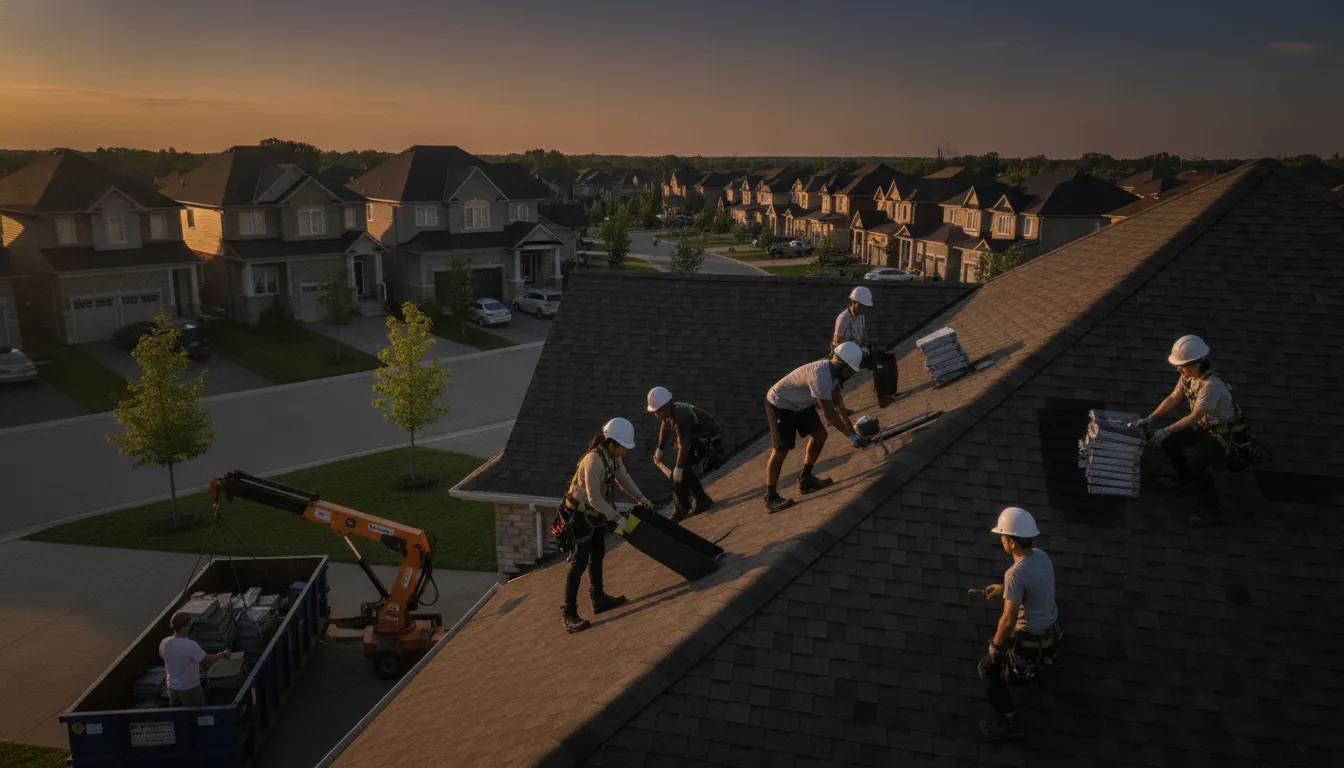
Request a no-obligation roof leak assessment by email
Email Us for a Free EstimateProfessional Roof leak repair Built for Toronto Conditions
Toronto homes face a particular rhythm of weather: humid summers, heavy spring rains and repeated freeze-thaw in winter that stress roofing assemblies. A repair that lasts here must address moisture intrusion, thermal movement and ice management, not just visible stains. Best Roofers Toronto specifies components—ice-and-water shield at eaves, breathable underlayments, corrosion-resistant flashing and appropriate fasteners—that perform in local conditions. Our work respects the building detail of Toronto neighbourhoods, from the brick chimneys of Rosedale to the compact rooflines of Riverside.
Ontario climate stresses and thermal cycles
Freeze-thaw cycles lift shingles and can force water under laps; heavy spring rains test valley and flashing seams. We use underlayments and ice-and-water protection in vulnerable eaves and valleys and specify fastener patterns that tolerate thermal movement to reduce repeat leaks.
Local housing-stock considerations
Toronto’s housing mix—Victorian, Edwardian, mid-century bungalows and modern townhouses—means multiple roof assemblies and flashing details. For older homes we check historical roofing materials like cedar shakes or lead-style flashings and adapt modern repair techniques to preserve appearance while improving durability.
Permits, inspection expectations and municipal context
City of Toronto permits may be required for re-roofing or structural alterations; smaller repairs typically proceed without permits but still must meet code for flashing, ventilation and eaves protection. We prepare documentation for permit applications when needed and coordinate inspections as part of the written scope.
Craftsmanship and lasting finishes
A thoughtful repair considers finish and longevity: selecting corrosion-resistant metals for flashing, using self-sealing underlayment where appropriate, and matching shingle profile and colour so the repair blends. Our crews focus on tight seams and clean transitions so the roof performs and presents well season after season.

Weather is hard on your roof — email us for a same-day inspection.
Summer roofing conditions in Toronto, ON
Summer heat and thunderstorms around Toronto, ON put roofs through intense UV, expansion, and sudden wind and hail. Heat accelerates shingle aging, so summer is prime time for inspections and repairs.
Proudly Serving Toronto, ON
Local, on-time service throughout Toronto and the surrounding area.