
Choosing Shingles That Survive Canadian Winters
What homeowners in Toronto and the GTA should know about materials, installation, and longevity in winter climates.
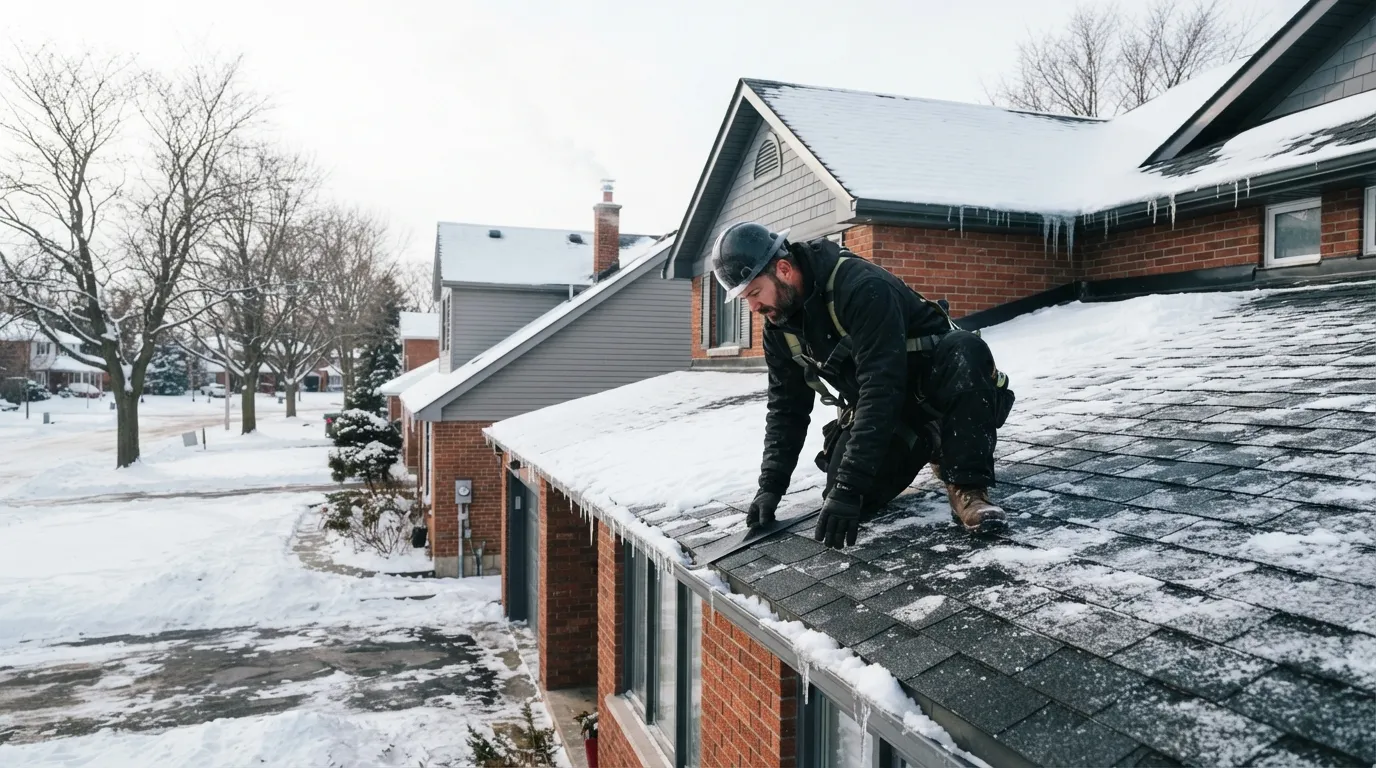
Which shingles actually perform in Canadian winters?
Choose durable, cold-rated materials, install with ice-and-water protection, and hire an experienced local roofer; those three moves give the best chance shingles will survive Toronto-area winters.
Materials matter: asphalt vs. specialty options
Architectural laminated asphalt shingles are the most common, offering a good balance of durability, cost, and availability in Toronto and nearby Mississauga or Markham. For high-wind ridges or long eaves prone to ice dams, consider impact-rated or polymer-modified shingles and, where budget allows, metal for eaves or accents. Slate and cedar have longevity but require strong framing and experienced installers; they’re less common for Toronto roofs because of cost and the freeze–thaw challenges.
Cold-rated shingles and temperature flexibility
Look for shingles tested for low-temperature flexibility and low-temperature nail pull-through resistance; manufacturers often rate products for specific climate ranges. Shingles that crack when bent in cold weather or become brittle underfoot are red flags. In Toronto’s cold spells, proper material selection reduces wind-lift, cracking, and granule loss during freeze–thaw cycles.
Underlayment and ice-and-water protection
Ice-and-water shield underlayment at eaves, valleys, and around penetrations is non-negotiable in Ontario climates to prevent ice-dam leaks. A quality synthetic underlayment over the deck improves temporary weather protection during installation and long-term moisture control. The underlayment choice often affects warranty and performance more than small grade differences among shingle brands.
Ventilation and attic health
Proper intake and exhaust ventilation prevents warm attic air from melting snow unevenly and contributing to ice dams, which are a leading cause of winter leakage. Balanced ventilation combined with adequate insulation keeps underside temperatures close to outdoor temperatures, preserving shingle life and reducing moisture.
Step-by-Step: Choosing Shingles That Survive Canadian Winters
A practical sequence from assessing your roof to final installation and inspection — focused on Toronto-area realities and things to confirm locally.
- 1
1. Inspect roof condition and attic performance
Start with a full roof and attic check: look for curling, bald spots, water stains, and insulation gaps. Measuring existing ventilation and attic temperatures during a cold snap gives a realistic baseline for whether shingle replacement alone will fix winter leaks.
- 2
2. Define objectives and budget
Decide whether you want a cost-effective re-roof, a longer-lasting upgrade, or targeted repairs (e.g., replace eavestroughs, add ice protection). In the Toronto area, include allowance for heavier labour and permit fees when budgeting for higher-end materials.
- 3
3. Select materials and underlayments
Choose cold-rated architectural shingles or specialty products if you need extra durability; always pair with ice-and-water shield at eaves and valleys. Ask manufacturers for climate-specific datasheets and select underlayment that’s compatible with the shingle warranty.
- 4
4. Verify permit and local code expectations
Check with Toronto's building division (or your local municipal office if you live in neighbouring municipalities) for permit and ventilation/insulation standards; Ontario rules and inspection practices vary by area. Confirm whether reroofing requires inspection, flashing upgrades, or specific fastening patterns.
- 5
5. Hire a qualified local contractor
Request references from Toronto, Scarborough, or Etobicoke projects, verify WSIB and insurance, and review recent photos of completed winter-weather installations. Clarify tear-off limits, waste removal, timing (avoid mid-winter where possible), and a written warranty that covers both labour and materials.
- 6
6. Schedule installation and post-install inspection
Plan installation for milder seasons when possible; if winter work is unavoidable, confirm manufacturer cold-weather installation instructions and fastener types. After installation, walk the roof with the contractor and document work; save invoices and product data sheets for warranty and potential insurance claims.
Mistakes to Avoid
Installing shingles that survive Canadian winters is as much about avoiding common errors as it is about picking the right product. These mistakes raise the risk of leaks, early failure, and denied warranty or insurance claims.
Skipping ice-and-water shield at eaves and valleys
Some homeowners try to save by avoiding ice-and-water shield, but it's the first line of defense against ice-dam leaks. In Toronto’s freeze–thaw cycles, missing or poor-quality shield often leads to interior damage that is more expensive than the original underlayment cost.
Ignoring attic insulation and ventilation
Adding new shingles without solving attic heat loss just shifts the problem to the new roof; uneven attic temperatures melt snow and cause ice dams. Treat insulation and ventilation as part of the roofing scope to protect both the shingles and your home from moisture damage.
Hiring contractors without cold-weather experience
Some installers lack experience following manufacturer cold-weather installation procedures, which affects adhesion and fastener performance. Ask contractors for examples of Toronto winter installs, and require that they follow product-specific instructions for nailing patterns, starter strips, and sealant use.
Trusting warranty language without reading limits
Warranties can exclude damage from improper ventilation, incorrect underlayment, or non-approved fasteners. Read terms about wind ratings, temperature limits, and required installation practices—if you can't locate the specifics, request them in writing before work begins.
What Affects Your Outcome
These factors determine how well shingles perform in winter and how smooth the replacement or repair process will go.
Quality of documentation
Photos, pre- and post-work invoices, and product data sheets help with warranty claims and insurance. Detailed records shorten disputes with insurers and prove work met manufacturer requirements.
Local permitting and inspection rules
Different municipal divisions around Toronto and in neighbouring Mississauga or Vaughan have varying permit triggers and inspection checklists. Verify local requirements early; missing a permit can complicate resale and insurance claims.
Contractor skill and winter experience
Installers familiar with Toronto winters know when to delay work, how to store materials in cold weather, and the correct fasteners and adhesives for low temperatures. Experience reduces callbacks and improper installs.
Policy type and claims timing
Home insurance policies differ in coverage and claim timelines; promptly document damage and notify your insurer if you suspect weather-related loss. Confirm with your insurer and keep in mind that adjusters may visit during business hours in the America/Toronto timezone.
Roof geometry and exposure
Complex roofs, shallow slopes, and long eaves are more susceptible to ice dams and wind uplift. Simpler slopes with good overhang design and proper flashing tend to last longer under harsh conditions.
Material selection and manufacturer guidance
Choosing shingles rated for low temperatures and following manufacturer installation instructions are foundational. Deviating from specified underlayment, fasteners, or ventilation can void warranties and shorten service life.
Frequently Asked Questions
Do I need a permit to replace shingles in Toronto?
Permits for reroofing in Toronto are commonly required when structural changes or deck repairs occur, but minor shingle replacement may be exempt—rules vary by project scope. Always check with the City of Toronto building division or your local municipal office to confirm permit requirements before work begins.
How much insulation and ventilation do I need to prevent ice dams?
Aim for a well-sealed air barrier and continuous insulation that minimizes heat transfer from living spaces into the attic, combined with balanced intake and exhaust ventilation. The exact R-value and vent area depend on your roof and attic configuration; consult a local contractor or energy advisor for measurements that meet Ontario practices.
Can shingles be installed in winter in Toronto?
Yes, but winter installation requires following manufacturer cold-weather guidelines: using proper adhesive starters, specific fasteners, and sometimes heated storage for shingles. Some manufacturers limit cold-weather installation for warranty reasons, so verify their instructions and your contractor’s experience first.
What shingles last longest in cold climates?
Higher-grade architectural asphalt and polymer-modified shingles generally offer the best blend of durability and cost for cold climates, and metal performs well for eaves and flashing areas. Longevity also depends on correct installation, ventilation, and maintenance—not just the shingle label.
Will my insurance cover winter storm damage?
Coverage depends on your policy terms and the cause of damage; sudden storm damage like wind or falling trees is typically covered, while wear from lack of maintenance may not be. Document damage promptly, contact your insurer to start a claim, and keep receipts and photos—also verify Ontario-specific claim processes with your company.
How do I choose a roofer in Toronto?
Ask for local references from Toronto neighbourhoods, proof of WSIB and commercial liability insurance, recent photos of winter-weather projects, and a written contract specifying materials and warranty. Checking for consistent online reviews, a local business address, and clear communication about permits and cleanup helps reduce risk.
Free winter-ready roof inspection for Toronto-area homes
Schedule a no-obligation check of shingles, underlayment, ventilation, and ice-dam risk; we’ll give practical next steps you can act on.
Get a Free Quote