
Flat Roof Maintenance for GTA Homes and Small Buildings
Learn practical, non-sales guidance on inspection, upkeep, and when to call a pro in Toronto, ON and nearby municipalities. Verify local rules and insurer requirements.
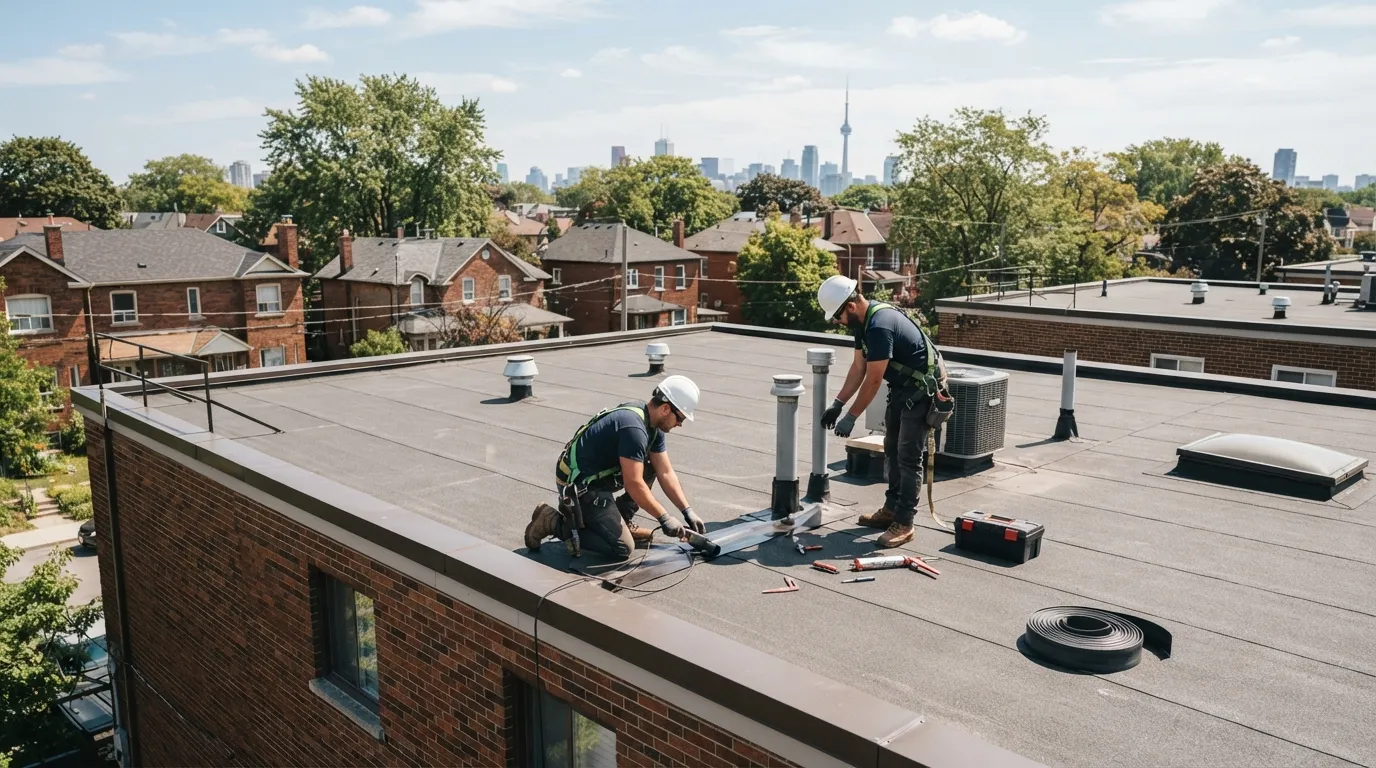
What does flat roof maintenance involve for GTA homes and small buildings?
Regular flat roof care means keeping the surface dry, seams sealed, and drainage clear, so you avoid leaks that can damage insulation and interiors. In Toronto and the wider GTA, winter freeze-thaw cycles and summer heat can stress membranes, making timely checks essential. This guide outlines the core upkeep mindset, credible maintenance habits, and when to bring in licensed professionals.
Know your roof type
Flat roofs in the GTA commonly use single-ply membranes (EPDM, TPO) or built-up roofing. Each has different flashing details, membrane thickness, and maintenance needs. Understanding your system helps you schedule the right inspections and spot wear before it causes leaks.
Seasonal maintenance cadence
Fall and spring inspections are critical in Toronto’s climate. Winter storms can overwhelm clogged gutters, while summer heat accelerates membrane drying and edge shrinkage. A simple seasonal checklist keeps small problems from turning into costly repairs.
Key maintenance actions
Clean gutters and scuppers, inspect flashings at walls and penetrations, check for mineral granule loss or membrane abrasions, and test for ponding. Record photos and note any changes so you have a baseline for future comparisons.
Documentation and records
Keep repair receipts, inspection notes, and any product specifications. A well-documented history helps with insurance claims, permits, and future maintenance planning in a city with diverse neighborhoods like Scarborough, North York, and Etobicoke.
Step-by-Step: Flat Roof Maintenance for GTA Homes and Small Buildings
A practical maintenance routine aligns with seasonal realities and local rules. Use this 6-step flow to stay ahead of leaks and extend roof life.
- 1
1) Create a baseline
Walk the roof with a ladder or drone if safe, noting membrane condition, flashing integrity, and drainage. Photograph top-side details for baseline comparisons in future inspections.
- 2
2) Clear drainage paths
Remove leaves, dirt, and debris from gutters, scuppers, and internal drains. Ensure downspouts connect to storm sewer paths and aren’t blocked by nearby landscaping.
- 3
3) Inspect membranes and flashings
Look for blisters, cracks, or exposed fasteners. Pay special attention to corners, skylights, and seams where Toronto’s freeze-thaw cycles can weaken seals.
- 4
4) Test for ponding
Pour a small amount of water during inspection to see if any low areas hold water. Ponding accelerates material degradation and invites leaks.
- 5
5) Address minor issues promptly
Fill small cracks with compatible sealants and resecure loose flashing where appropriate. Avoid over-tightening screws that could puncture the membrane.
- 6
6) Document and plan repairs
Capture notes and timelines, then decide between in-house maintenance or hiring a licensed roofer for more complex work. Consider local building department guidance if structural components are involved.
Mistakes to Avoid
Even small errors can lead to big repairs. Use these cautions to protect your roof investment and stay within reasonable budgets.
Delaying minor fixes
Small blisters or edge cracks left untreated can worsen after winter. Address issues early to avoid blown-out seams and water intrusion.
Overlooking drainage
Blocked gutters and blocked scuppers create standing water that accelerates membrane deterioration. Regularly clear and test drainage paths.
Using inappropriate products
Sealants or coatings not compatible with your membrane can trap moisture or fail prematurely. Verify material compatibility before applying anything.
Ignoring permit or insurer guidance
Some repairs or membrane upgrades may entail permits or affect insurance. Always verify requirements with your insurer and local building department before major work.
What Affects Your Outcome
Several factors influence how flat roof maintenance and repairs play out in Toronto and the GTA.
Season and weather
Winter conditions and summer heat shape material performance and timing for inspections.
Documentation quality
Clear records speed up claims and permit reviews, and help you compare contractor quotes.
Policy and coverage
Insurance terms vary; some policies require specific maintenance or disclosures to honor a claim.
Local rules
Building codes and municipal practices differ across Toronto, Mississauga, Brampton, and nearby cities; verify with the local office.
Contractor choice
A licensed roofer brings knowledge of membrane types, installation details, and permit processes that homeowners benefit from.
Drainage condition
Poor drainage leads to ponding and accelerated membrane degradation, especially in flat roofs with parapet walls.
Free, no-pressure roof inspection for GTA homes
A quick, expert assessment can identify hidden issues and help you plan maintenance or necessary repairs with confidence.
Get a Free Quote